

Padra Introduces Self-Respect-Led Hair and Eyebrow Care Framework in Qatar
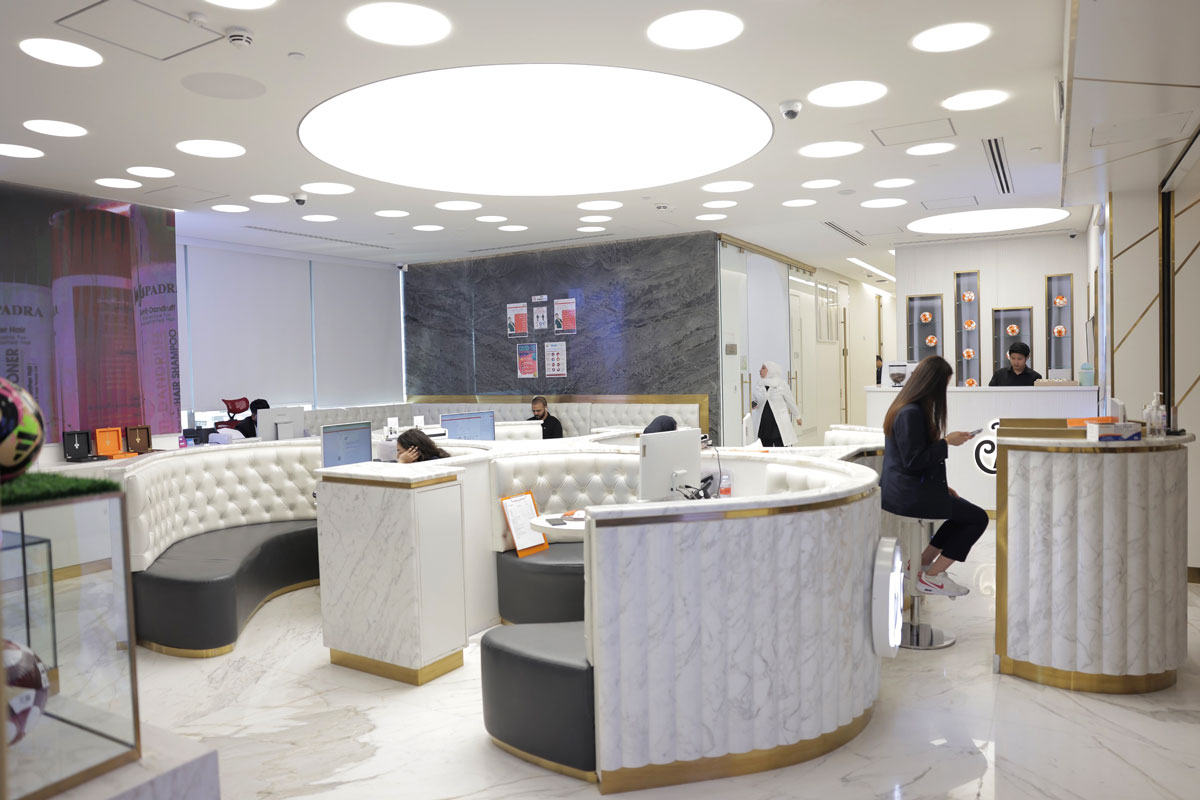
A centralized reception and patient coordination area helps streamline appointments, consultations, and clinical workflows, supporting an efficient and patient-focused hair restoration experience

Comprehensive treatment planning begins with one-on-one clinical consultations, where physicians assess patient needs, discuss realistic expectations, and develop individualized hair restoration strategies.
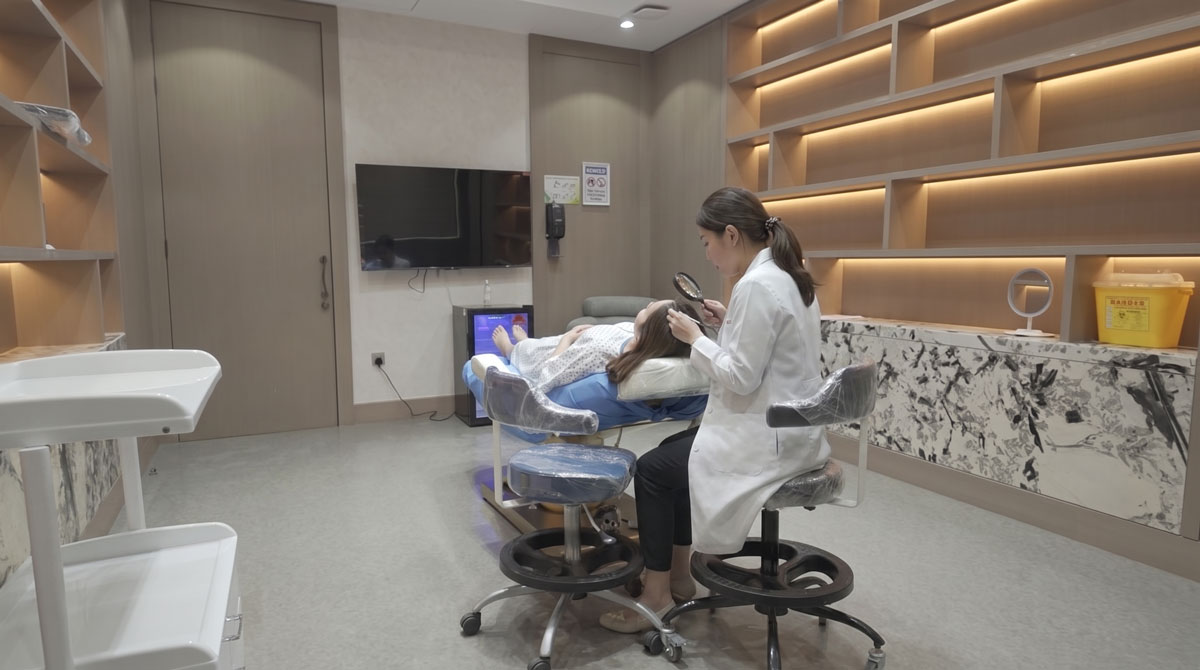
Comprehensive scalp evaluations help clinicians assess hair loss patterns, examine donor and recipient areas, and develop personalized treatment plans before hair transplant procedures.
Padra outlines a Doha framework connecting privacy, personal planning, natural design, and supported decisions in hair and eyebrow restoration.
QATAR, July 27, 2026 /EINPresswire.com/ -- Doha, Qatar: Privacy, personal choice, and natural-looking design are at the center of a new patient-care framework introduced by Padra for its hair and eyebrow restoration services in Qatar.The framework presents aesthetic care as a private and informed decision rather than a public transformation. It brings consultation, individual assessment, consent, treatment planning, recovery guidance, and follow-up into a structured pathway intended to protect patient agency throughout the experience.
Padra said the framework reflects a broader understanding of beauty as self-respect: the ability to make a personal decision about appearance without pressure, unnecessary exposure, or the expectation of dramatic change.
Under the model, personalization begins before a treatment recommendation is made. The consultation considers the patient’s concerns, medical suitability, facial features, hair characteristics, lifestyle, expectations, privacy preferences, and tolerance for visible recovery.
The objective is not to apply one aesthetic standard to every patient. Treatment planning should reflect the individual’s existing appearance and support a result that feels balanced rather than imposed.
For patients considering a hair transplant in Qatar, planning may include assessment of the hair-loss pattern, donor-area condition, hair texture, age, facial proportions, existing density, and the possible progression of future hair loss.
Padra’s Doha pathway uses FUE-based hair transplantation, with decisions about hairline position, graft distribution, donor management, and follicular direction made according to the individual assessment.
The company said the lowest possible hairline or highest possible graft number should not automatically be treated as the best plan. A more responsible approach considers donor limitations, long-term appearance, facial balance, and whether a conservative or staged treatment may be more appropriate.
For male patients, this planning may also reflect professional visibility, personal grooming preferences, and the desire to avoid a hairline that appears overly sharp or inconsistent with age.
Padra said the male restoration journey should be framed around natural alignment and personal confidence rather than an exaggerated promise of transformation.
Eyebrow restoration requires a different level of design sensitivity because small changes in angle, shape, density, or direction can affect facial expression.
Patients researching an eyebrow transplant in Qatar are assessed according to their existing brow structure, facial proportions, natural asymmetry, donor-hair characteristics, skin condition, and preferred level of definition.
Within this pathway, Padra uses Nano Transplant Fakhraei, known as NTF, as a precision-led eyebrow restoration methodology.
The company describes the approach as focusing on individual follicular selection, hair-by-hair placement, natural direction, and patient-specific brow mapping.
Padra said eyebrow design should not rely on one standardized shape. The inner brow, arch, and tail have different patterns of direction and density, and the final plan should remain consistent with the patient’s facial structure.
The framework also addresses privacy during consultation, treatment, and recovery.
Patients may have different preferences regarding appointment communication, clinical photography, treatment documentation, accompanying family members, and follow-up contact.
Padra said these preferences should be confirmed before treatment. Consent for clinical documentation should remain separate from consent to use photographs, testimonials, or treatment details for marketing or educational purposes.
The framework also recognizes that aesthetic decisions may involve a spouse or partner.
A partner may provide reassurance, help evaluate practical considerations, or participate in discussions about recovery and timing. However, Padra said the patient should decide whether another person is included in the consultation or receives information about the treatment.
This approach is intended to support couples without reducing the patient’s individual authority over the decision.
“Self-respect-led care begins with giving patients control over how their treatment is discussed, planned, and supported,” a Fakhraei Group spokesperson said. “The role of the provider is to offer clear information and responsible guidance, not to pressure patients toward a particular appearance.”
Recovery planning is another part of the framework.
Patients should receive realistic information about temporary redness, swelling, scabbing, donor-area visibility, activity restrictions, early shedding, grooming requirements, and the expected timeline for returning to work or social settings.
Padra said medical recovery and social downtime should be discussed separately.
A patient may be physically able to resume normal activity while still feeling uncomfortable attending meetings, social events, video calls, or family gatherings because of visible treatment effects.
The treatment date and recovery plan may therefore need to account for professional schedules, travel, personal events, family commitments, and the patient’s preference for discretion.
The company said privacy should not be interpreted as hiding information from the patient. A privacy-conscious journey should provide clear explanations of treatment limitations, possible temporary effects, aftercare responsibilities, and factors that may influence the result.
Individual outcomes vary according to medical suitability, donor quality, hair texture, skin response, facial anatomy, treatment design, healing, future hair loss, and adherence to aftercare guidance.
Padra said neither hair nor eyebrow restoration should be presented as a guaranteed transformation.
The framework continues through follow-up communication. Patients are informed about early care, washing or grooming requirements, temporary shedding, expected growth stages, and circumstances that may require additional professional review.
For patients travelling to Doha from another city or country, planning may also include appointment timing, return travel, accommodation requirements, and access to remote follow-up after leaving Qatar.
Padra said the self-respect-led framework is intended as a patient-experience and communication model rather than a regulator-approved clinical standard.
The company added that privacy, personalization, natural design, supported decision-making, and responsible expectation-setting should remain connected throughout the full hair or eyebrow restoration journey.
In this model, beauty is not defined by how publicly a change is displayed. It is defined by whether the patient feels informed, respected, and in control of the decision.
Padra is an international hair restoration and aesthetic care brand operating as part of Fakhraei Group. Its Doha clinic provides hair, eyebrow, beard, and aesthetic treatments, with an emphasis on personalized planning, patient education, privacy-conscious communication, and structured follow-up.
Sahan Saeidy
Padra International
+ +98 936 109 3602
email us here
Visit us on social media:
LinkedIn
Instagram
TikTok
Other
Legal Disclaimer:
EIN Presswire provides this news content "as is" without warranty of any kind. We do not accept any responsibility or liability for the accuracy, content, images, videos, licenses, completeness, legality, or reliability of the information contained in this article. If you have any complaints or copyright issues related to this article, kindly contact the author above.
